
Infrastructure
The servers we own, and the Tampa datacenter they run in.
The building, the network and the redundancy behind your site, with the numbers.
- 99.99% uptime SLA
- SOC 1 & SOC 2 Type II audited datacenter
- Hardware we own
The building
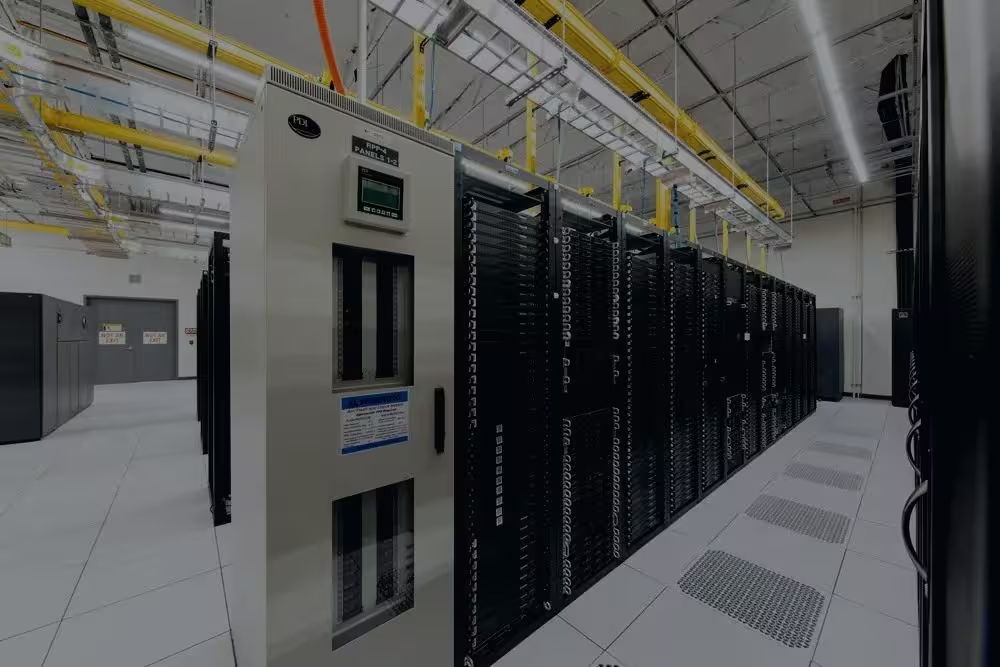
The building, its power plant and its cooling are run by the datacenter operator, not by Blue Arctic, and these are its specifications. What we own is the hardware inside: every server, switch and firewall, specified, bought and racked by our own team, on our own ARIN-allocated IP space.
30,200Sq ft of raised-floor datacenter space
N+2Precision cooling: 420 tons of CRAC capacity
8+daysGenerator runtime at full load on on-site fuel
300+Private network peers via NOTA & FLIX
Power, cooling and access
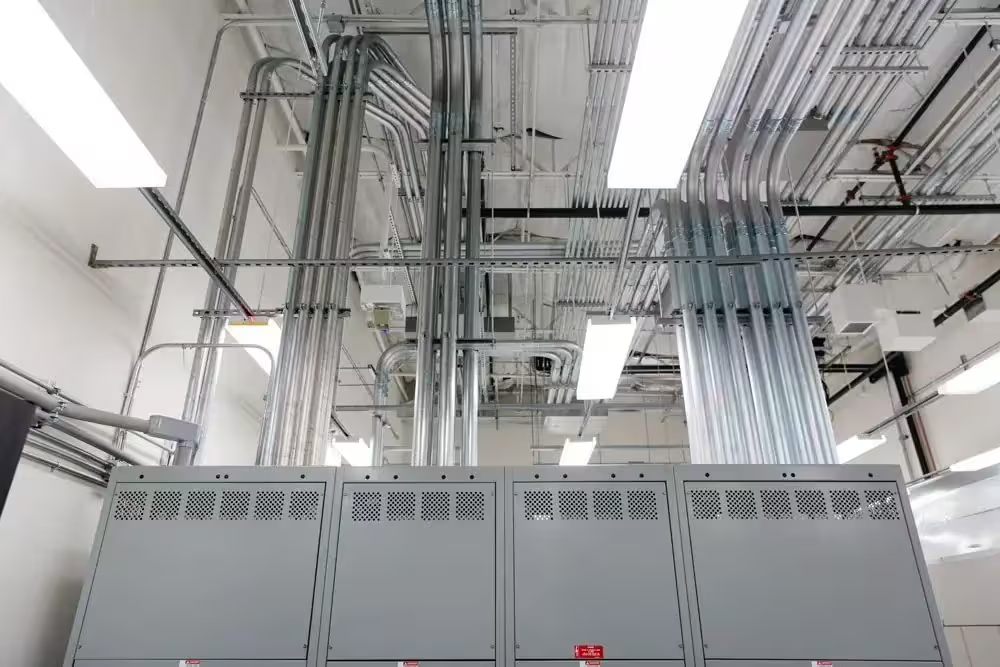
- N+1 battery UPS, with a spare unit beyond what’s needed, carrying the load while the generators take over
- 1,000+ gallons of diesel on site, and 420 tons of precision cooling with two spare units beyond design load (N+2 CRAC)
- Fire suppression above and below the floor: dual-interlock dry pipe overhead, Inergen gas and leak detection below
- Concrete block and steel with a 135 mph wind-rated roof, a man-trap entrance, 24/7 monitored access control, and more than 20 motion-activated cameras
The datacenter has SOC 1 and SOC 2 Type II reports covering its physical and operational controls. Those reports belong to the datacenter operator. They are not a Blue Arctic product certification. Regulated workloads are scoped as compliance engagements.
The network
Your traffic leaves Tampa over several major carriers rather than one, and attack traffic is filtered upstream.
- Tier-1 BGP transit across several major carriers, so traffic reroutes when one has trouble
- Noction route optimization picks the fastest path in real time
- 300+ private peers via the NOTA and FLIX peering fabrics: fewer hops, lower latency
- Volumetric attack traffic is filtered at the network edge. Very large attacks can still cause a brief interruption while mitigation engages
Redundant hosting, in plain English
Power, network and storage each have a second path, so one failed part should be a repair job for our engineers, not an outage for your visitors. Every Blue Arctic hosting product runs on this infrastructure, including web hosting for Tampa businesses.
What’s in place
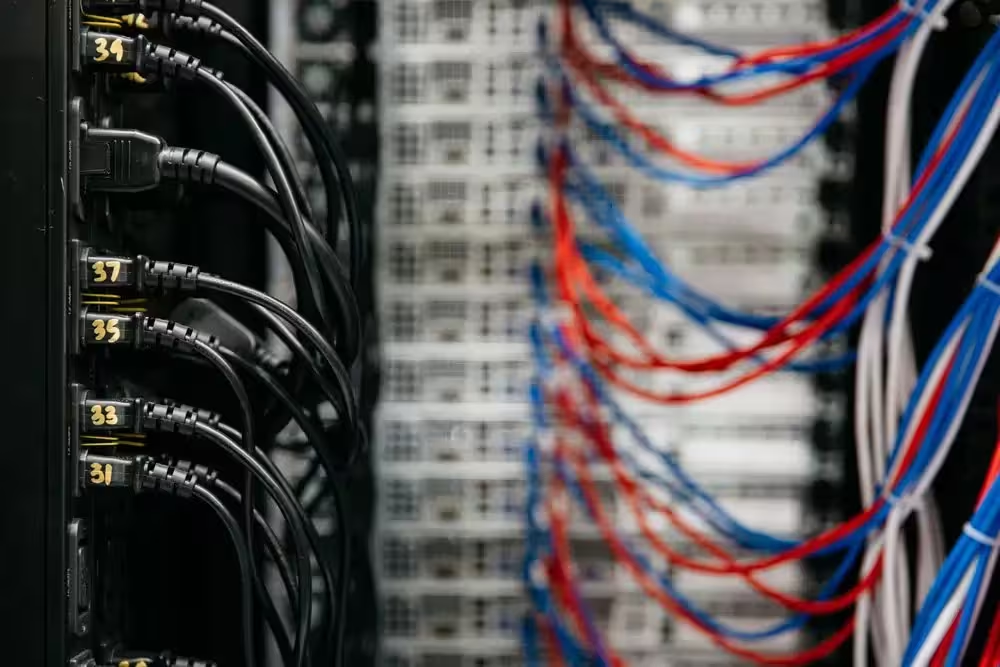
- Redundant power. Power reaches the servers by more than one path, and the servers have dual power supplies. Losing one isn’t losing the server.
- Redundant network. More than one route in and out, so traffic has somewhere else to go.
- RAID-10 storage. SSDs across the hosting fleet, striped for speed and mirrored so a drive can fail and be replaced without losing data.
- Monitoring. A failure raises an alert rather than waiting for a customer to report it.
- Backups. The layer for what redundancy can’t help with: a bad update, a deletion or a compromise. What each product keeps.
What it does not mean
Redundancy reduces risk. It does not remove it.
Infrastructure questions
Does Blue Arctic own the servers, or the building?
The servers, switches and firewalls are ours, bought, configured and managed by our own engineers, along with our own ARIN-allocated IP space. The Tampa, FL datacenter building is operated by a third party. We don’t own it and we don’t operate it.
Do I need a special plan to get redundancy?
No. Every Blue Arctic hosting product runs on the infrastructure described on this page. There’s no separate “redundant hosting” plan to buy.
Does redundancy mean 100% uptime?
No. No host can promise that outages never happen. Our 99.99% uptime SLA defines our uptime commitment and the service credits that apply, and the infrastructure is built to reduce single points of failure. Credits are claimed by ticket within 30 days, and the schedule is in the service level agreement.
Can I visit the datacenter?
It’s infrastructure space rather than an office, and access is restricted. If seeing the hardware matters to your evaluation, ask us and we’ll tell you what can be arranged.
Questions about the hardware?
Ask a Hosting Specialist about capacity, custom configurations or anything on this page.